When infrastructure works for people, everything changes. Monterrey’s new subway lines are proof that better solutions mean lasting change and a future built with purpose.
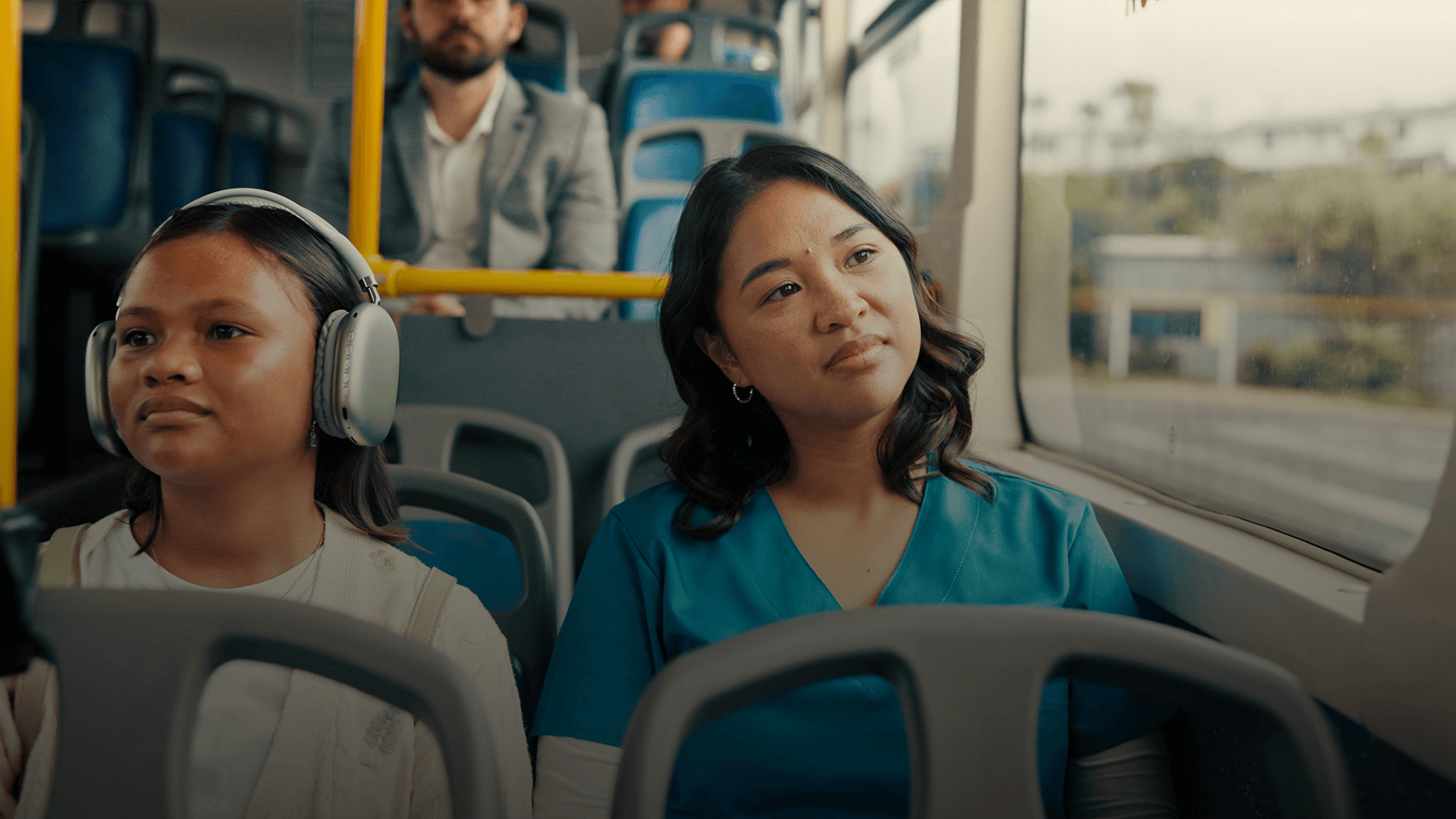
Every morning in Monterrey, Ana wakes up before sunrise. She gets her kids ready for school, grabs a quick coffee, and steps into a long, unpredictable commute: two buses, a subway transfer, and a final walk to her job on the other side of the city. For years, this has been her reality — a journey that often takes over two hours each way.
Ana isn’t alone. Millions of people across Monterrey live a version of this story — days shaped by wait times, traffic, distance, and systems that weren’t designed with people in mind.
But what if the city started moving differently? What if getting from home to work didn’t mean sacrificing time, safety, or energy?
That’s the promise behind Monterrey’s new subway lines: Línea 4 and Línea 6 — over 24 kilometers of new infrastructure designed not just to move people, but to transform lives.
A City That Moves with Its People in Mind
This is not just about tracks and trains — it’s about giving people back time. With up to 50 minutes saved per trip, Ana can now make it home in time for dinner. Her kids see her before bedtime. And for thousands like her, those reclaimed minutes mean something deeply human: connection, rest, opportunity.
Safe, Inclusive, and Built for Everyone
Every detail of this project was designed around one question: how do we make this experience better for the people who use it every day?
That means stations with universal accessibility — elevators, ramps, tactile signage — so that everyone, regardless of age or ability, can move freely.
It also means building with a gender perspective: well-lit platforms, clear signage, and security systems that make women and vulnerable groups feel safer, day or night. Because mobility should never come at the cost of dignity.
Jobs, Skills, and a Stronger Local Economy
The impact doesn’t end at the platform. With over 10,000 direct and 15,000 indirect jobs created, the subway is helping people not just get to work — it’s helping them find better work, closer to home.
A Cleaner Way to Move
There’s also a bigger shift happening — in the air, in the streets, in the way the city breathes.
More than 50,000 cars will be taken off Monterrey’s roads every day, easing traffic and reducing emissions. In total, the system is expected to avoid around 80,000 tons of CO₂ emissions per year — thanks to clean energy use, regenerative braking systems, and energy-efficient stations built with low-impact, recycled materials.
This is sustainability not as a buzzword, but as something that’s felt in daily life — in shorter commutes, fresher air, and less stress.
A City That Connects, Not Divides
The new lines connect seamlessly with the rest of the city’s mobility network: lines 1, 2, and 3, Ecovía, buses, bike paths — making movement more intuitive and accessible across the metropolitan area.
Neighborhoods that were once isolated — Apodaca, Guadalupe, San Nicolás, Escobedo, Juárez — are now woven into the city’s core. This is integration, not expansion. It’s Monterrey becoming more whole, more human, more livable.
A Legacy Worth Building
At Legand, we believe that infrastructure should never be neutral. It should change lives.Because when mobility works, a parent gets to say goodnight, a student makes it to class on time, a city becomes more just, more equal, more alive.
This is not just a subway. It’s a movement toward a better way to live.